
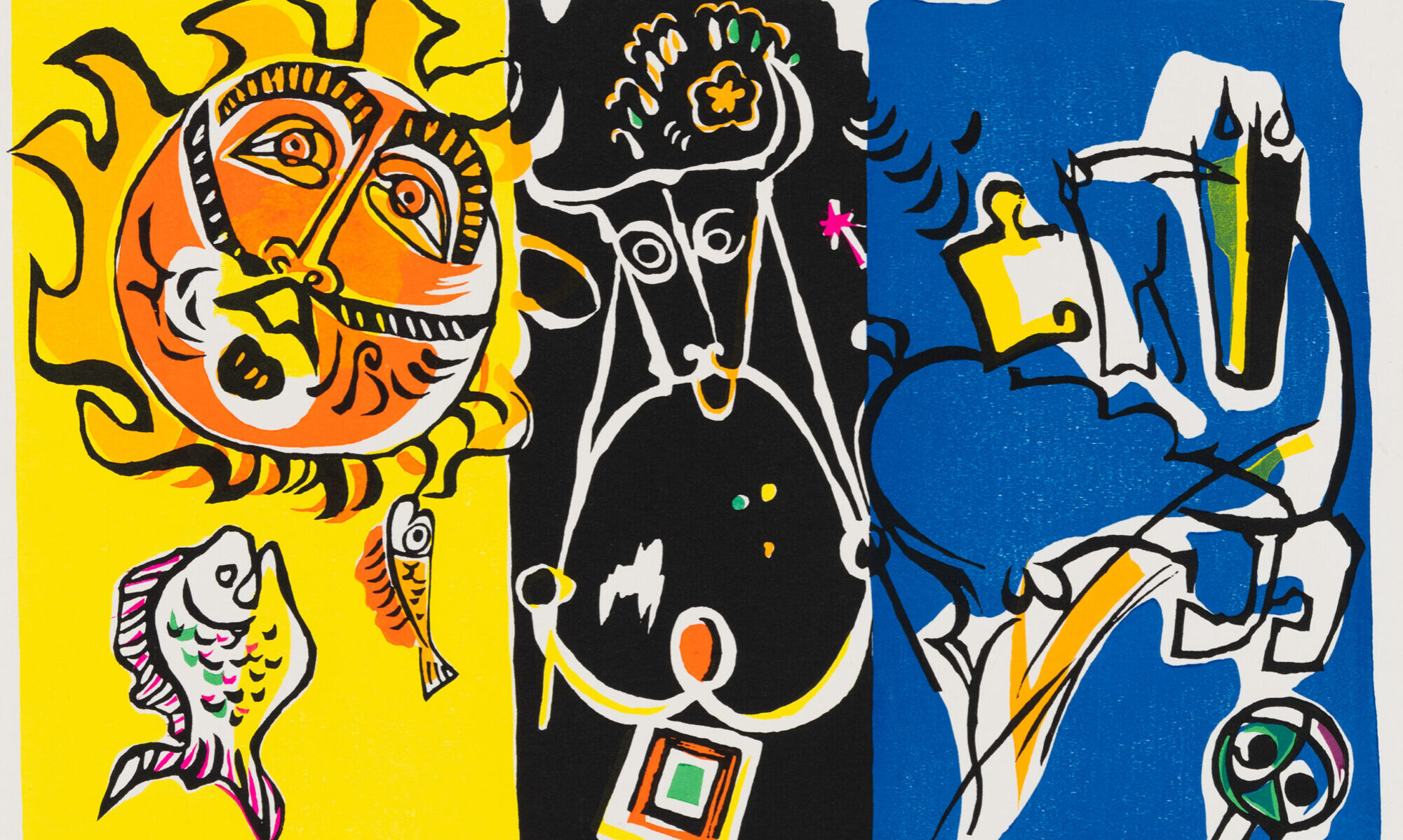
太陽の画家
| 1921年生まれの利根山光人は、戦後、ストラヴィンスキーの音楽に感銘を受け、前衛的な絵画を制作。その後、社会派画家として活躍し、メキシコ美術展をきっかけにマヤ文明に魅せられる。鮮やかな色彩とダイナミックな構図でメキシコの太陽や自然、古代文明を描いた作品は「太陽の画家」と呼ばれ、日本のみならず海外でも高い評価を得た。パブリックアートや壁画も多数制作し、メキシコ政府の授与する文化勲章アギラ・アステカ賞を2度受賞。晩年はアルテ・トネヤマを設立し、美術教育にも尽力。戦争体験に基づいたヒューマニズムが根底に流れる、力強く情熱的な作品世界は、多くの人々に感動を与え続けている。 |
太陽の画家
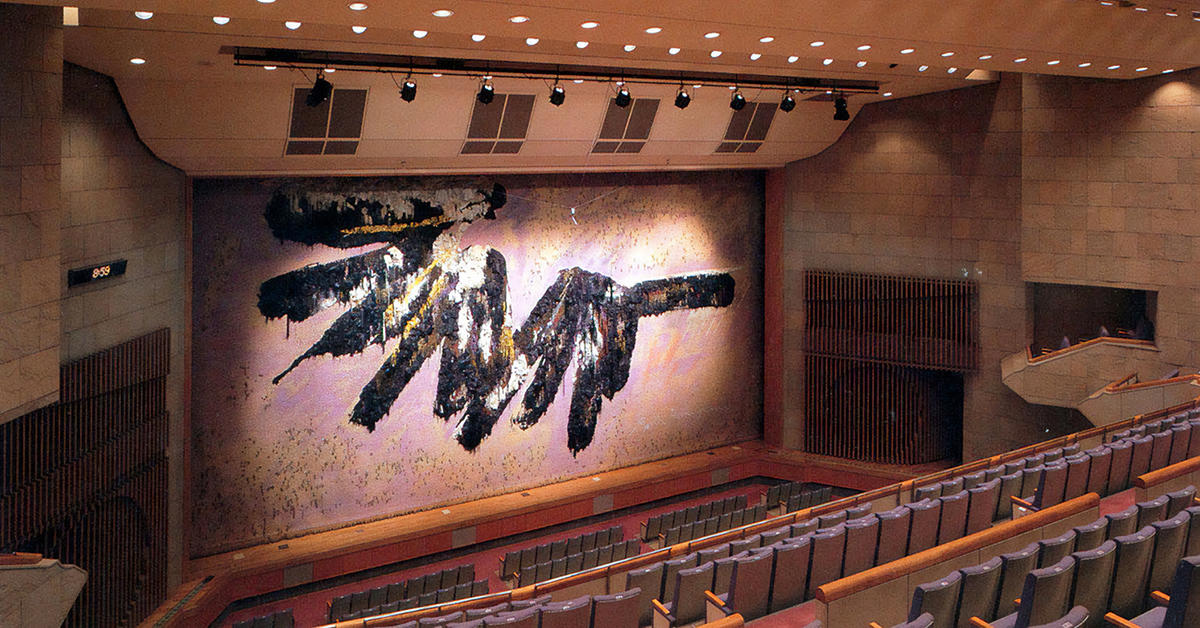
| Born in 1921. Upon his return from the war, he was inspired by Stravinsky’s music and started producing avant-garde paintings. He exhibited at the Yomiuri Independent Exhibition in 1949 where he also made his fundamental debut as a painter in 1951 with the works “Rain” and “Wind”. From early on, he tackled social issues through his practice. Impressed by Tokyo National Art Museum’s seminal Mexican Art Exhibition in 1955, he visited Mexico often and found revelationary inspiration, particularly from the Mayan culture. From this point, he developed a unique style that superimposed contemporary images onto the ancient patterns of the Mayan civilization in vivid colours. Together with Siqueiros and other artists, he went on to make many large mural paintings. Examples of these can be seen in train stations such as Yokohama and Kitakami. |
news
exhibition

企画展
世田谷美術館
2025.09.13 – 11.09
「自然と魂 利根山光人の旅 異文化にみた畏敬と創造」

聖徳大学収蔵名品展
聖徳大学創立35周年・聖徳大学短期大学部創立60周年記念
聖徳大学クリスタルホール 1F 利根山光人記念ギャラリー
2025.09.05 – 10.25
「利根山光人先生―メキシコと聖徳学園と―」
BIOGRAPHY
利根山光人[1921-1994]
太陽の画家、その生涯と芸術
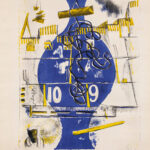
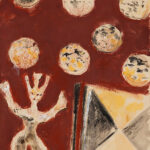
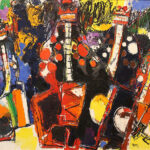
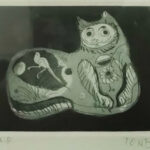
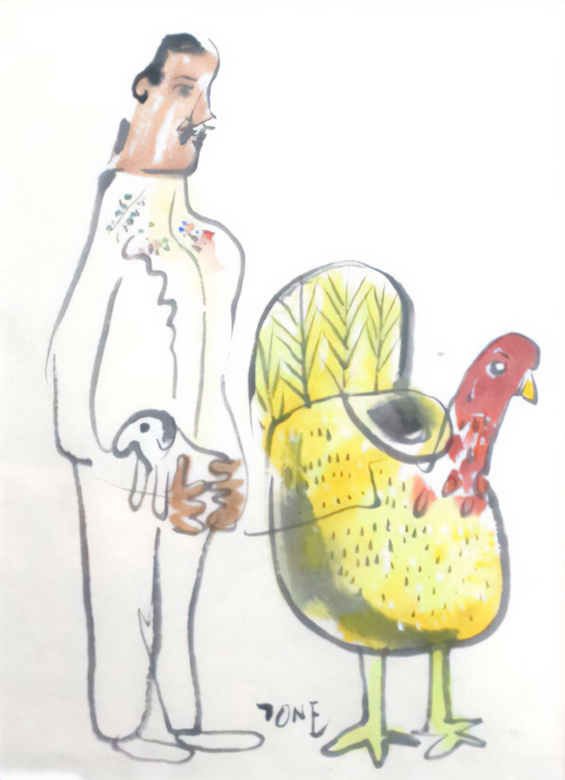
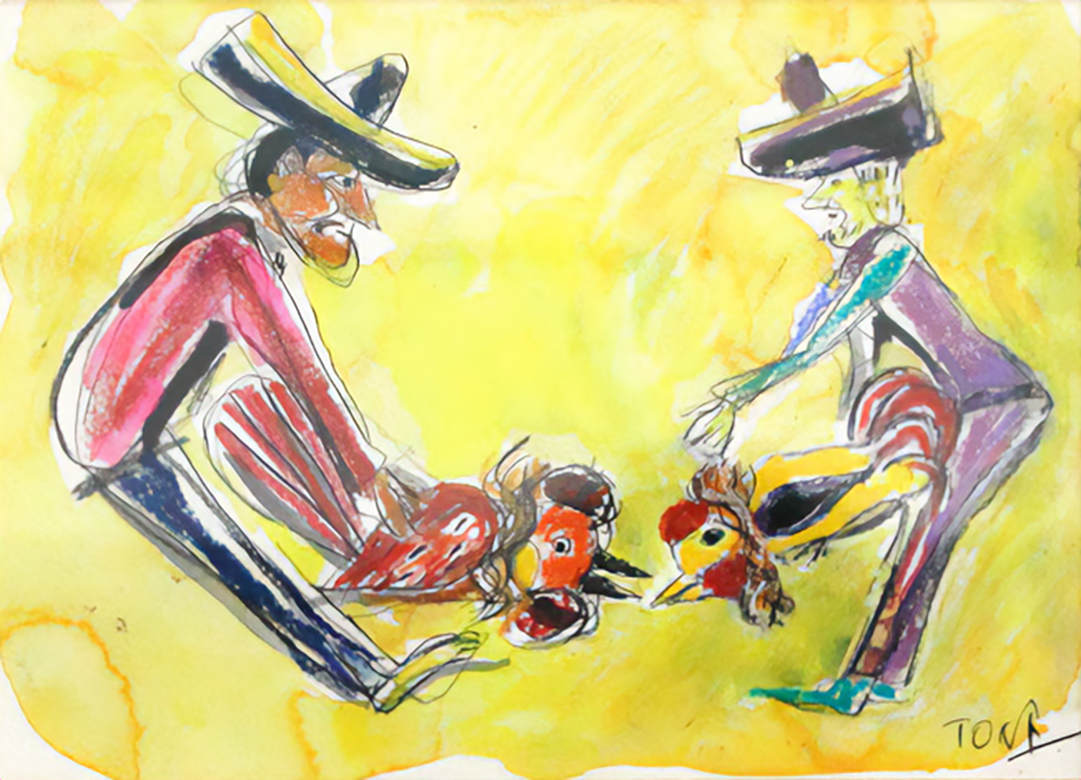
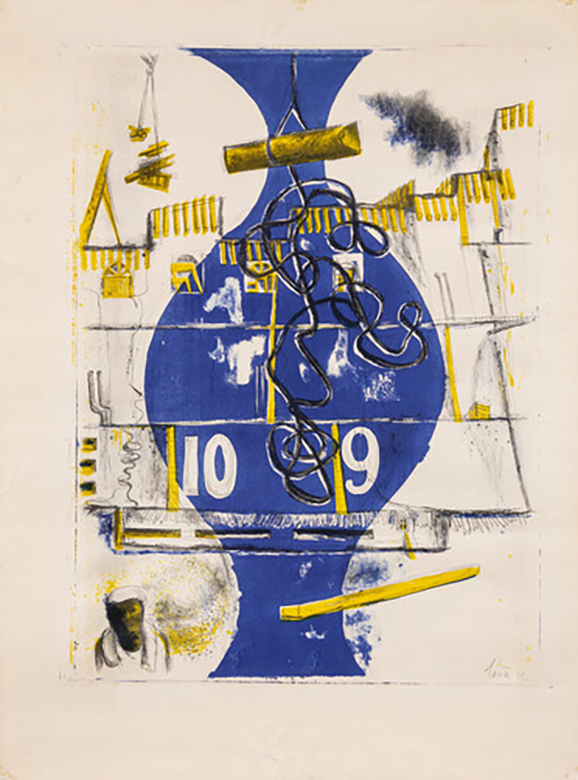
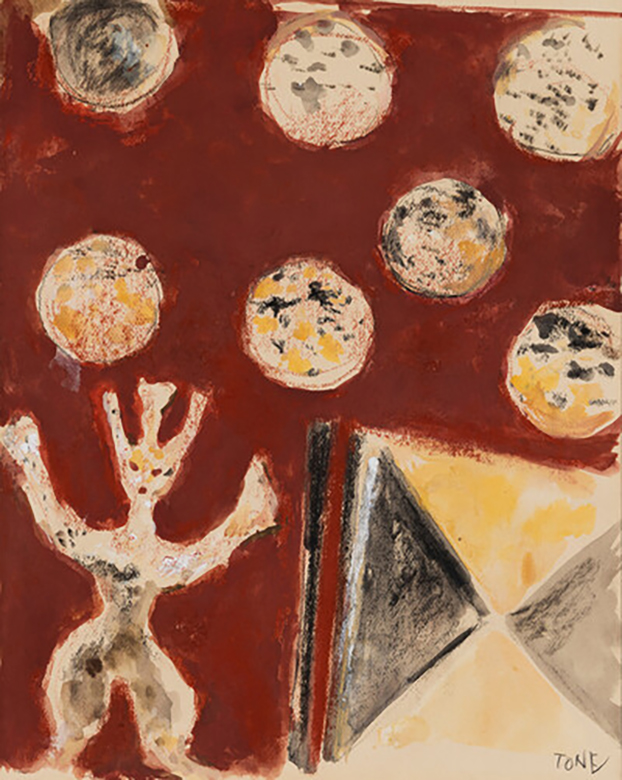
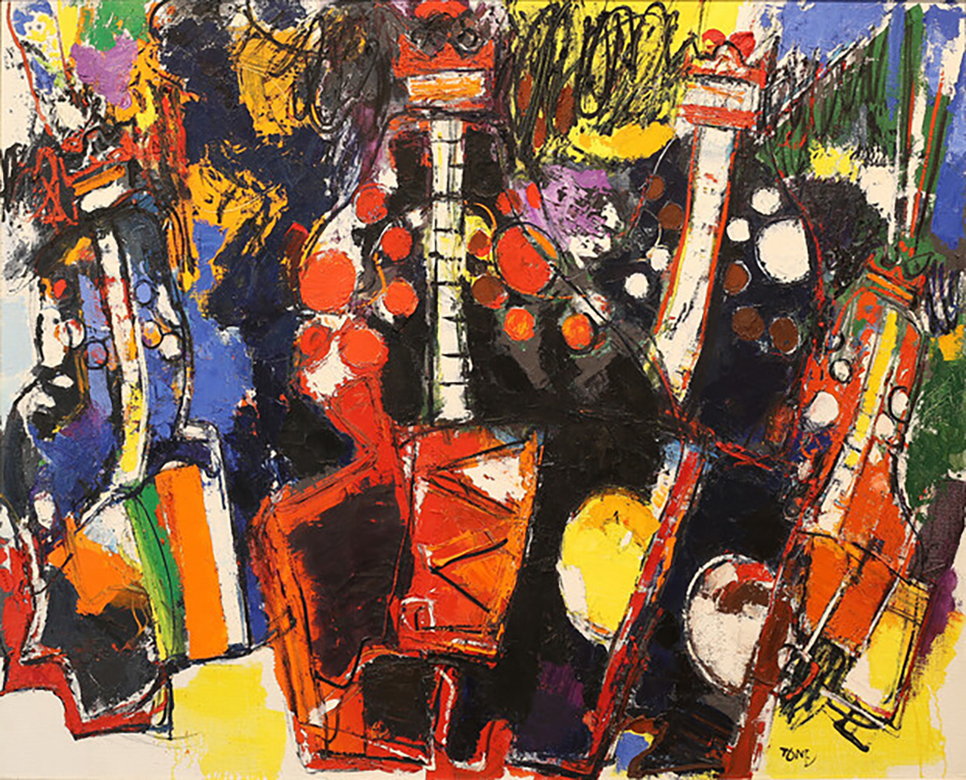
利根山光人は、戦後の日本を代表する画家の一人であり、「太陽の画家」として知られる。彼の作品は、メキシコ文化の影響を強く受けた鮮やかな色彩と力強い生命感が特徴で、日本各地の公共施設に壁画を残すなど、大衆にも広く親しまれている。
Kojin Toneyama[1921-1994]
The Sun Painter: Life and Art
Kojin Toneyama is one of the leading painters representing postwar Japan, known as the “Painter of the Sun.” His works are characterized by vivid colors and a powerful sense of vitality, strongly influenced by Mexican culture. He is widely beloved by the public, having left murals in public facilities throughout Japan.


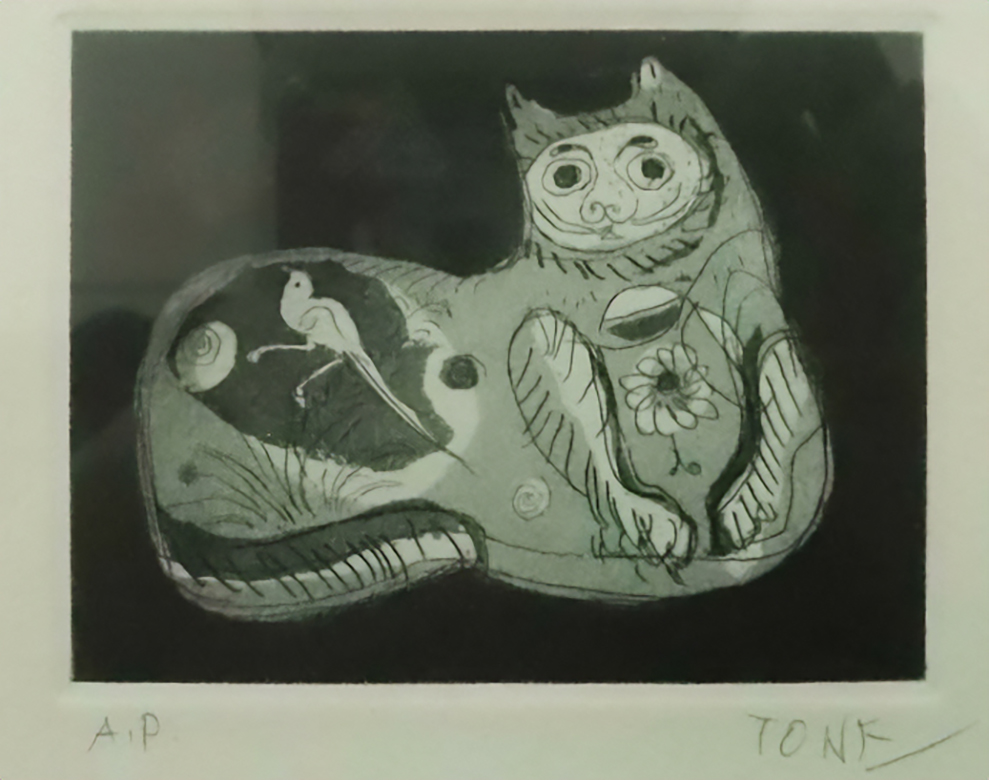
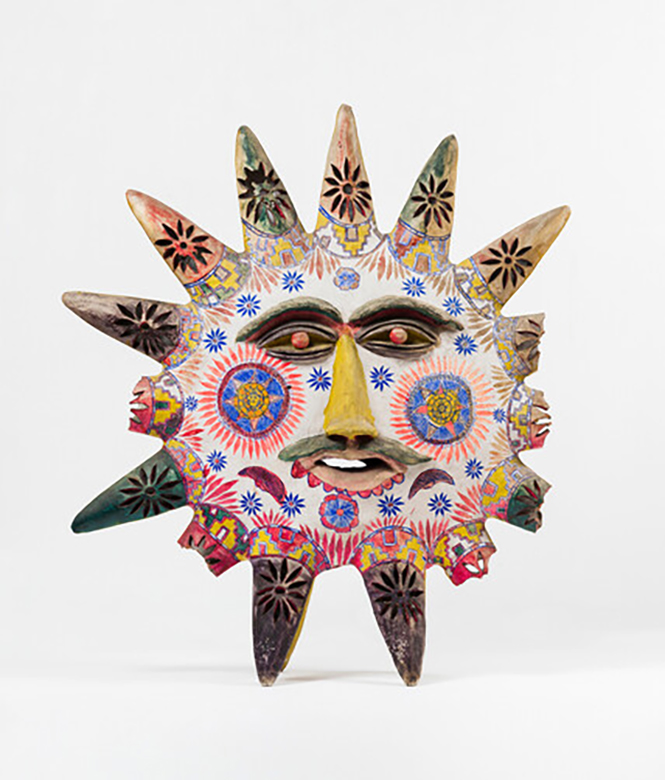

publication
利根山光人は画家として活動するだけでなく、多くの書籍も手がけました。生涯を通じて関心を持ち続けたメキシコについての著作も多く、そこでの経験や観察が彼の創造の源となっています。絵画と出版の両方を通して、利根山の豊かな表現世界や、異文化への好奇心に触れることがでます。
Kōjin Toneyama was not only an active painter but also the author of numerous books. Throughout his life, he maintained a deep interest in Mexico, and many of his writings reflect his experiences and observations there.Through both his paintings and his publications, we can appreciate the richness of Toneyama’s creative world and his enduring curiosity about different cultures.
museums and galleries

利根山光人記念美術館
1972年、岩手県芸術祭の審査員として岩手を訪れた利根山光人は、帰途に民俗芸能の里・北上で鬼剣舞や鹿踊に触れ、その造形美に感銘を受けました。以後、制作のライフワークのひとつとし、展勝地にアトリエを構えて長年作品を制作しました。1995年に遺族がアトリエと作品の一部を北上市に寄贈し、翌1996年に開館。2001年には「利根山光人記念美術館」と改称され、現在も市民に作品を公開し、芸術文化の振興に活用されています。
In 1972, while visiting Iwate Prefecture as a juror for the Iwate Art Festival, Kōjin Toneyama stopped by Kitakami, a village known for its folk performing arts, where he encountered the Oni Kenbai (Demon Sword Dance) and Shishi Odori (Deer Dance). Deeply impressed by their sculptural beauty, he made them one of the lifelong focuses of his artistic work. He built a studio in the scenic Tenjōchi area and continued creating works there for many years. In 1995, Toneyama’s family donated the studio and part of his works to Kitakami City, and the Kōjin Toneyama Memorial Hall opened in 1996. On its fifth anniversary in 2001, it was renamed the Kōjin Toneyama Memorial Museum and continues to make his works accessible to the public while promoting arts and culture.

聖徳博物館
聖徳博物館は、千葉県にある聖徳大学内の博物館で、学生や研究者だけでなく一般の来館者も作品を鑑賞できます。館内には利根山光人の絵画も所蔵されており、民俗芸能やメキシコ文化を題材にした作品を通して、彼の多彩な表現世界に触れることができます。教育機関としての視点を活かした展示やプログラムも行われており、学びと鑑賞を両立させながら、利根山の芸術の魅力を広く体験できる場となっています。
The Seitoku Museum, located on the campus of Seitoku University in Chiba Prefecture, offers an opportunity for students, researchers, and the general public to appreciate artworks. The museum houses paintings by Kōjin Toneyama, many of which draw on folk performing arts and Mexican culture, allowing visitors to explore his diverse creative world. Leveraging its role as an educational institution, the museum also organizes exhibitions and programs that combine learning with art appreciation, making it a place where Toneyama’s artistic achievements can be experienced and enjoyed widely.
